3 hr 30 min
Menorca Coastal Cruise: Coves & Beaches Discovery
Discover Menorca's pristine southern coastline aboard a scenic boat tour with beach stops and swimming.
Reserve
Hand-picked by our editors — only the best 5 experiences from 12 reviewed.
Verified partners for every tour, free cancellation where available, and instant confirmation on every booking.
3 hr 30 min
Discover Menorca's pristine southern coastline aboard a scenic boat tour with beach stops and swimming.
Reserve
3 hr 30 min
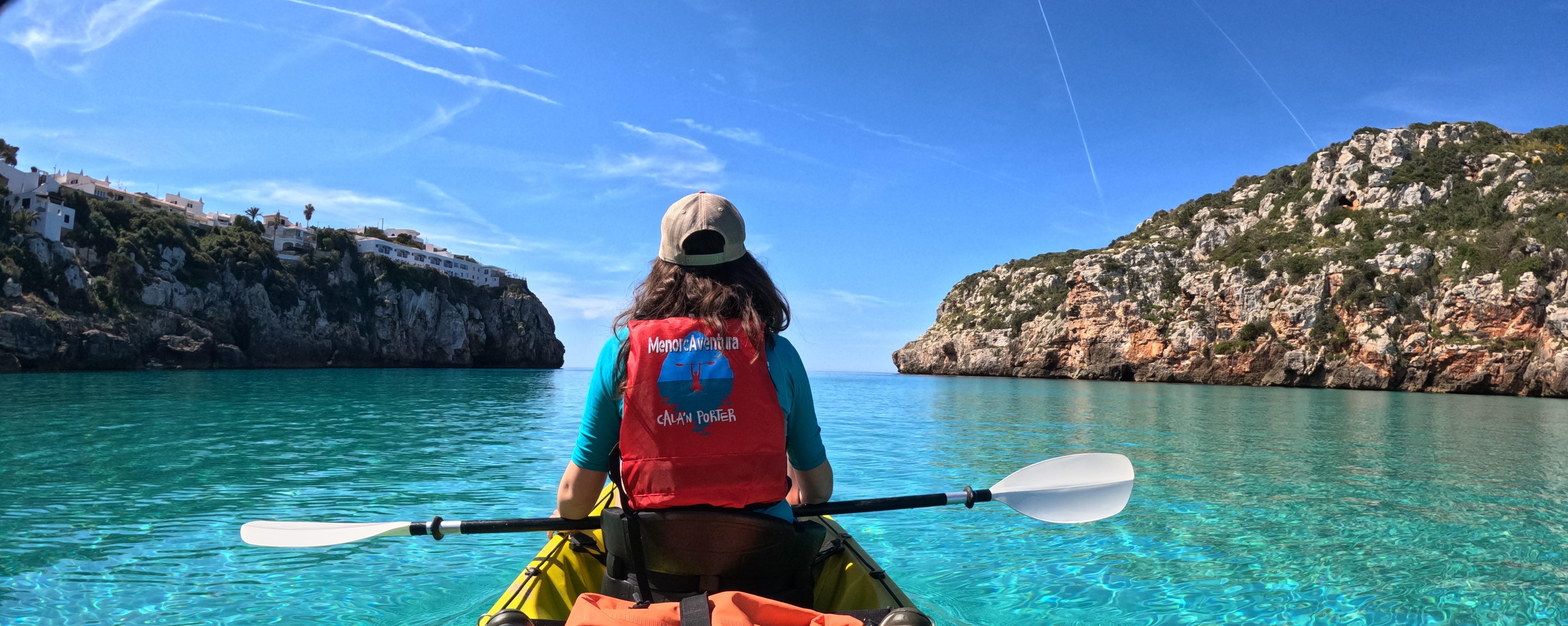
Paddle through turquoise waters to hidden caves, snorkel among geological wonders, and visit an ancient burial site
Reserve
3 hr 30 min
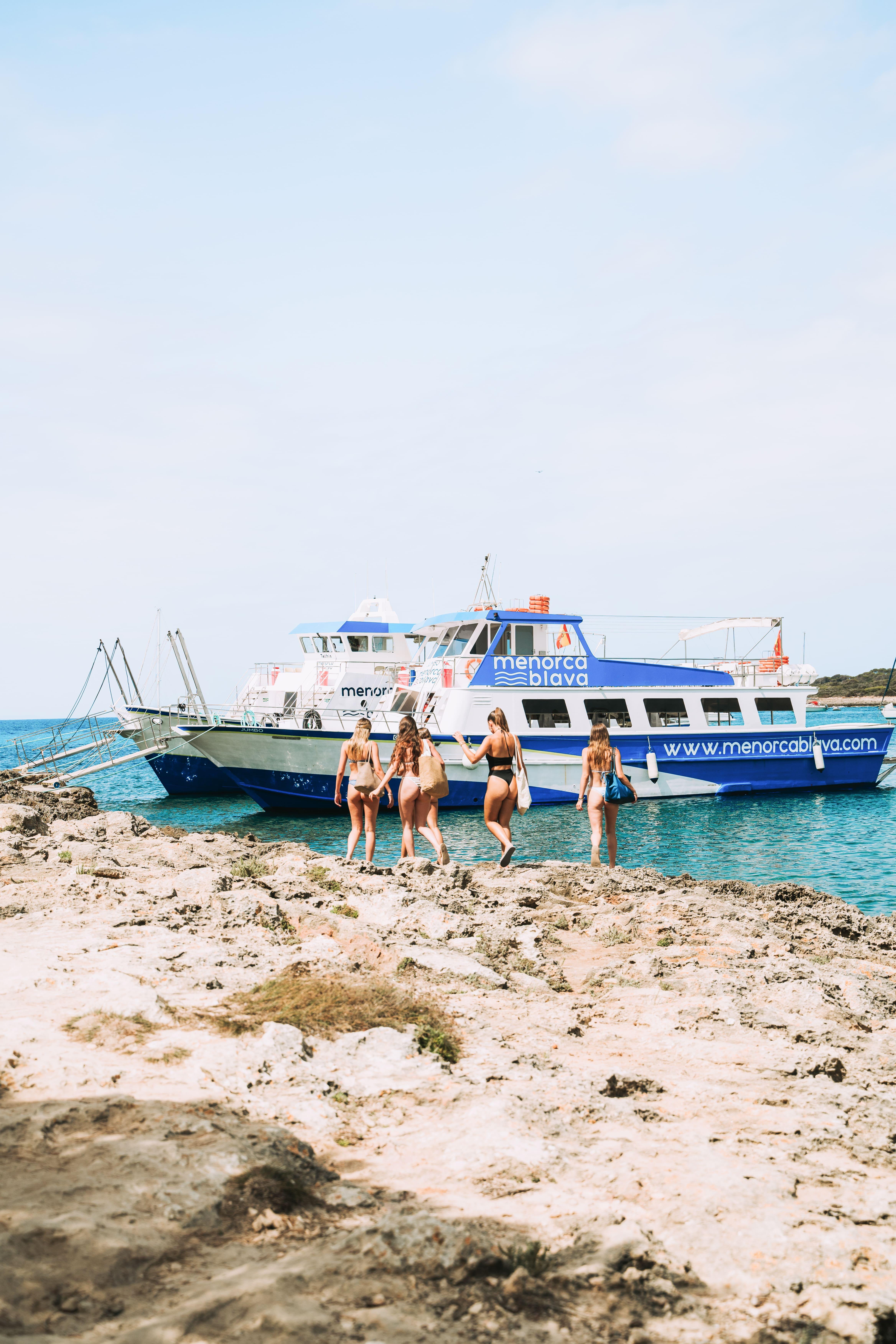
Cruise past dramatic cliffs and secret coves, swim in turquoise bays, and savor local flavors aboard this half-day voyage.
ReservePrices from verified partners. Availability updates in real time at checkout. Free cancellation policies apply where shown.
The landmarks, rooms, and views travelers on this tour remember — all visible on a single visit.
Famous for turquoise waters and limestone cliffs, this site is a staple of Menorca calas.
They complement each other; most visitors who do both call the rugged shoreline of menorca calas the more tranquil choice, while the infrastructure of Mallorca provides a more social experience. Choosing between these coastal destinations depends on whether you prioritize raw Mediterranean scenery or convenient amenities.
| Feature | Top pick Menorca Calas | Mallorca Beaches |
|---|---|---|
Vibe |
Secluded and serene | |
Development level |
Low impact and rustic | |
Crowd density |
Moderate to low | |
Accessibility |
Requires hiking trails | |
Type of experience |
Natural preservation and swimming | |
| See tickets → |
Verdict: If you seek quiet turquoise waters and limestone cliffs, menorca calas tours are ideal, whereas Mallorca serves those preferring easy access to beach clubs and urban conveniences.
Choose your ticket, select your date, and reserve in under two minutes. Secure checkout handled by our verified partner.
Instant confirmation by email, with a mobile voucher you can save offline. No printing, no queuing at a collection desk.
Arrive at the entrance, show your voucher on your phone, and walk in. Most tickets include priority or skip-the-line access.
Practical details for your visit straight from our verified partners — hours, access, rules, and how to get there.
Casual beachwear is standard. Naturism is practiced at specific, less populated coves like Cala Macarelleta.
No secure storage is provided at natural sites. Carry only necessary items and keep valuables with you at all times.
General photography is permitted. Drone use may be subject to strict regional environmental regulations.
Only urban beaches have walkways and amphibious chairs. Many virgin calas require walking on uneven, rugged terrain.
Family-friendly options include Cala Galdana and Son Bou. Virgin calas lack lifeguards and facilities.
Most remote calas lack vendors. Bring sufficient food and water for the entire day as there are no trash bins or shops.
Best time to go, insider tips, nearby landmarks, and the cancellation fine print — flip through to skim what matters to you.
Flexible, no hidden fees.
Public beaches are accessible 0 EUR (Free entry to all public beaches and coves in Menorca.). No cancellation or refund policies apply to public access.
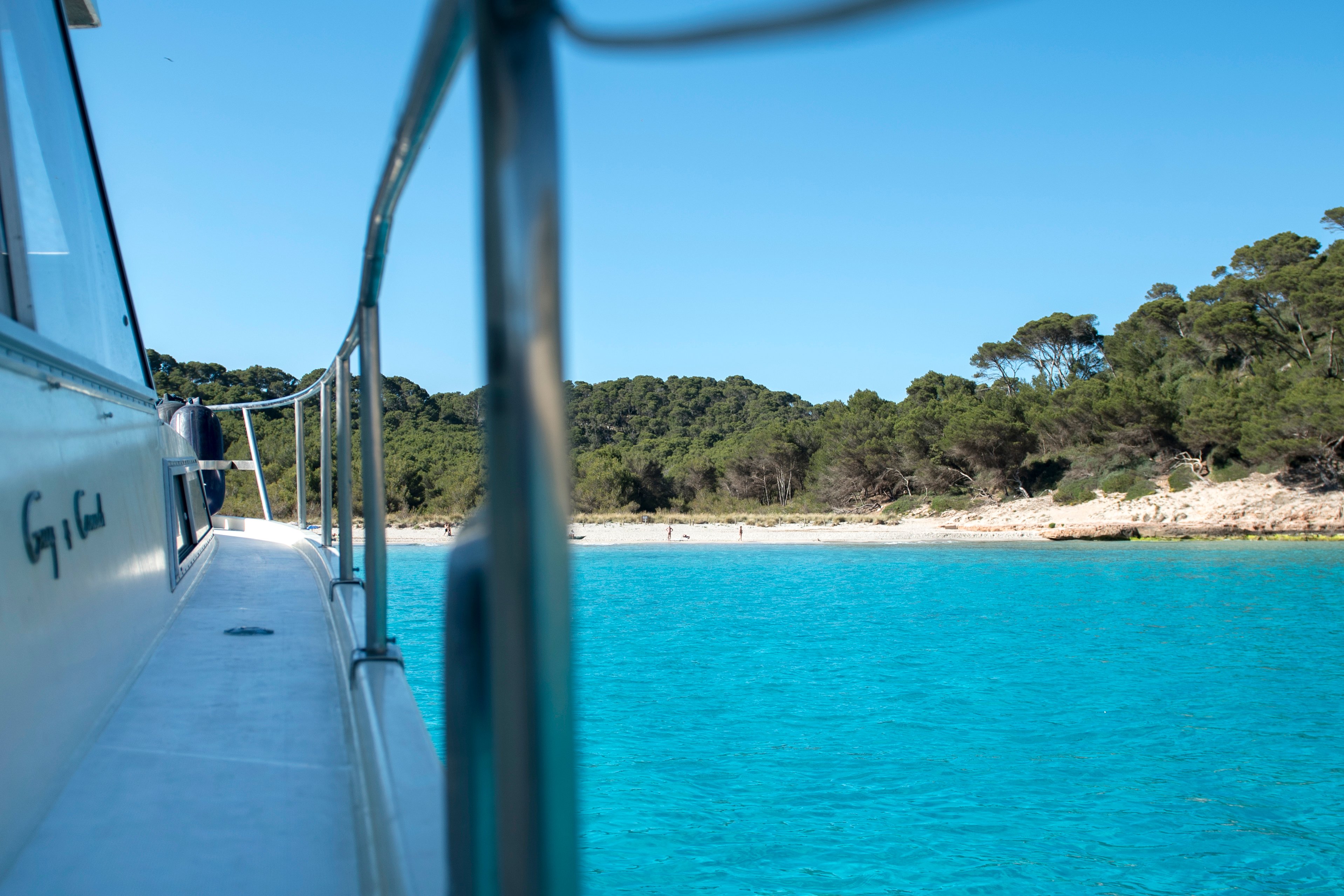
Menorca shelters over 120 calas — small, steep-sided coves where pine forests meet water so clear you can count pebbles at five metres' depth. Unlike the wide crescents of Mallorca or Ibiza's hotel-lined strands, the Menorcan coastline fractures into hundreds of narrow inlets, most invisible from roads and accessible only by footpath or boat. The island's geology — a tilted limestone plateau scoured by seasonal torrents — carved these pocket bays over millennia, their walls striped with fossil-rich strata and honeycombed with sea caves that glow blue at midday. Menorca calas remain protected under Biosphere Reserve status granted in 1993, limiting coastal development and preserving ecosystems where Audouin's gulls nest and Posidonia meadows anchor the seabed. The north coast faces prevailing tramontana winds, its calas narrower and wilder, bordered by dark rock and juniper scrub. The southern shore opens to calmer Mediterranean swells, its coves wider and sandier, fringed by Aleppo pine and wild olive. Cala Macarella and Macarelleta, twin bays separated by a limestone ridge, typify the southern character — white sand, shallow turquoise water, and cliffs that block land access but frame the sea view. Sea caves riddle the coastline, particularly between Cala en Porter and Cala Galdana, where wave action and freshwater seepage have hollowed chambers large enough to paddle through. Cova des Coloms, the island's largest, reaches 24 metres high and 110 metres deep, its entrance framed by stalactites and accessible only by kayak or swimming from adjacent coves. These caverns served Bronze Age settlers as shelter and burial sites; pottery shards and human remains recovered from cave floors now rest in Mahón's archaeological museum. Menorca's coastal routes, both by boat and on foot via the Camí de Cavalls, reveal the island's dual character — cultivated inland plains giving way abruptly to raw shoreline where stone watchtowers still stand sentinel over empty bays. The cove system remains Menorca's defining feature, a coastline too complex for mass tourism, where access requires effort and the rewards are measured in solitude and water clarity rather than amenities.
"Over 120 calas fracture Menorca's coast — narrow inlets where pine meets water so clear you can count pebbles at five metres."
A step-by-step walkthrough of the visit — what you'll see, how long each stage takes, and the details that matter.
You board at Cala'n Bosch or Ciutadella harbour as morning light angles across calm water, the boat nosing south past limestone headlands striped with ochre and grey. Within twenty minutes the first cala opens — a narrow cleft where turquoise shallows deepen to cobalt, framed by pine that lean toward the sea. You anchor offshore, slip into water warm enough by mid-morning to explore without a wetsuit, and swim toward a cave entrance where sunlight refracts off the sandy bottom and paints the ceiling blue. Kayaking adventures launch from sheltered bays, paddling you along cliff bases pocked with smaller grottoes, some wide enough to glide through, others collapsing into boulder gardens where damselfish dart between rocks. You pause at Cala Turqueta or Cala Mitjana, dragging the kayak onto sand to rest in shade before continuing east. Sailing charters tack between calas, letting you dive from the stern into deep water or snorkel over Posidonia beds that ripple like prairie grass, their roots stabilising sand and sheltering octopus and cuttlefish. By early afternoon you reach the day's furthest point — often Cala Macarella or Cala Galdana — where the crew serves paella on deck and you eat watching cliff swallows hunt insects above the water. The return leg hugs the coast, stopping at one last cove for a final swim before the boat rounds the headland and the harbour reappears, its breakwater crowded with gulls.
Public beaches and coves in Menorca are open 00:00–23:59 daily.
Entrance fee: 0 EUR (Free entry to all public beaches and coves in Menorca.)
For the best experience, aim for the 08:00–10:00 arrival window to avoid peak crowds and heat.
Only specific urban beaches offer adapted services; many virgin calas have rugged terrain that is not accessible.
No, Menorca calas do not require entry tickets as they are public spaces.
Bring essentials such as water, sun protection, waste bags, and sturdy footwear for the coastal paths.
Most remote coves lack amenities, so bring all supplies with you; urban beaches have more services.
Yes, many Menorca calas are family-friendly, especially those with easy access like Cala Galdana.
Access is free, so there is no booking or cancellation policy for visiting these natural sites.
Please contact us for more information.